In 2023, I received a quiet, grounded spiritual download: “You have autism.” I saw the visual in my mind’s eye. A line representing the spectrum and where I was on it. In my mind it was to the far left. For reference the vision showed me someone else I share a soul connection with and where they were, so it made more sense to me.
I didn’t chase this vision or revelation. I didn’t seek it. It came to me like a long-overdue answer to a question I didn’t know I was allowed to ask.
It would take me two years—2025—before I fully accepted what that truth meant. I took three separate autism assessments. Each one confirmed what my spirit had already shown me: I am mildly autistic. I also have mild ADHD. These aren’t TikTok trends or Instagram epiphanies. They are deeply embedded realities that explain a lifetime of confusion, misdiagnosis, over medication, and chronic misunderstanding.
For 12 years, I was heavily medicated for bipolar disorder. Misdiagnosed. Overlooked. Silenced. And beneath it all was a neurodivergent mind, trying to survive in a world that didn’t know how to receive it—and didn’t try. My parents didn’t understand me. Frankly, they didn’t try either. Their response to how my brain was naturally wired was control, gaslighting, and emotional abuse. The cost? Years of my life. My health. My voice.
So, when I finally shared my diagnosis with a group I had joined—a vulnerable, honest offering—I expected a moment of recognition. What I got instead was erasure, cloaked in spiritual bypass and superficial solidarity.
“Everyone has it.”
They said it casually, like they were talking about allergies.
No. Everyone does not have it.
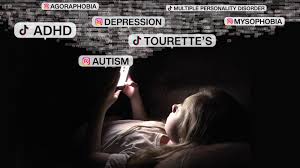
Relating to a few traits you saw on a TikTok reel does not equate to a neurological diagnosis.
The algorithm is designed to make everyone feel seen. That doesn’t mean everyone is autistic or ADHD.
And frankly, the TikTok-ification of neurodivergence has made it harder for those of us who live it, struggle with it, and spent years surviving without a name for it, to be taken seriously. The trivialization of these diagnoses makes it easy for others to minimize our lived experience—and it gives people cover to dismiss or even weaponize it.
Case in point:
A man recently took issue with a post I shared on Facebook. It wasn’t about him, but the truth I spoke touched a nerve in his fragile ego. Instead of owning that discomfort, he attacked me—publicly—and used my neurodivergent identity, clearly stated in my bio, to insinuate that I was “crazy.” His implication was clear: my diagnosis made me untrustworthy, unstable, or irrational.
This is exactly the kind of ignorance and abuse I’ve faced my entire life, and it’s why I hid my truth for so long.
And it’s not just men weaponizing it.
In that same group, I’ve watched older people project their own discomfort with neurodivergence onto me. Some of them processed autism as a flaw—something shameful—and wanted to talk me out of identifying with it. Others couldn’t stand the thought of me having something that made me “special,” in their minds as if it were a threat to their own spiritual superiority.
There’s an ugly competitiveness in some spiritual or “awakened” spaces, especially among women who feel threatened by another woman’s clarity. Instead of saying “I see you,” they say “I have that too” or worse, “everyone does.” That’s not empathy. That’s envy. And it shows.
I’ve always made people uncomfortable simply by being clear, honest, and sovereign.
But it was still surprising to me that when I claimed this long-hidden truth—autism, ADHD, neurodivergence—it was met with subtle hostility, disguised as dialogue.
But let’s be clear:
Autism is real.
ADHD is real.
Late diagnosis is valid.
And naming your truth isn’t attention-seeking. It’s liberation.
To those who want to co-opt the language without the lived experience, who weaponize diagnosis as insult, or who attempt to minimize others to soothe their own insecurity:
You are not helping.
You are erasing.
And it’s not spiritual. It’s not awakened. It’s not aware. It’s violent.
I didn’t come to this understanding by trend.
I came to it by surviving what almost destroyed me.
If that makes you uncomfortable, you’re welcome to unfollow.
But I will never again apologize for knowing who I am.
— Anala Love (AKA DeShondela Flowers)
 Home
Home 
Leave a comment